
 english


Being able to identify aquarium fish diseases is essential. Equally important, however, is maintaining your tank with the ideal conditions to keep your fish from getting sick in the first place. While your tank parameters should be catered to your specific fish, there are a few simple steps any aquarium hobbyist can take to keep a freshwater or saltwater aquarium healthy.
Maintain High Water Quality
Dr. Mollie Newton, DVM, in Columbus, Ohio, says “It’s crucial to maintain excellent water quality through regular testing and water changes” to keep your fish healthy. Monitor ammonia, nitrite and nitrate levels with an aquarium water test kit and perform water changes as needed to keep the water quality high.
Cycle Your Tank Before Adding Fish
It takes time for a sufficient colony of beneficial bacteria to become established in an aquarium, so be patient. While some aquarium experts advocate for cycling a tank using hardy fish like danios, many prefer fishless cycling. You can speed up the cycling of your tank by adding live nitrifying bacteria or by “feeding” the tank with ammonia.
Keep Up With Routine Maintenance
While water changes are essential for maintaining ideal tank conditions, We are against performing water changes of over 50 percent of your tank volume. Small weekly water changes are better than large monthly changes. It is not Wise to change your filter media on the same day as a water change to avoid killing off too many beneficial bacteria.
Feed Your Fish an Appropriate Diet
According to our study lack of proper nutrition is one of the most common contributors to aquarium fish diseases. Choose an appropriate food for the species of fish you keep and feed them modestly. Excess food will just decompose and interfere with the water chemistry in your tank, stressing your fish.
Avoid Overstocking Your Tank
Overcrowding is a common cause of stress in aquarium fish. To reduce stress, aquarists should “create a peaceful tank environment and acclimate new fish slowly.” When stocking your tank, plan for the mature size of your fish—aquarium fish are often sold as juveniles and can be expected to grow.
Taking the time to carefully select your equipment and letting your tank fully cycle before you add fish increases your chances of success as an aquarium hobbyist. An aquarium isn’t just a “set it and forget it” kind of thing, however. You’ll need to perform maintenance from time to time to keep the water quality in your tank high.
How To Keep Your Aquarium Fish Healthy
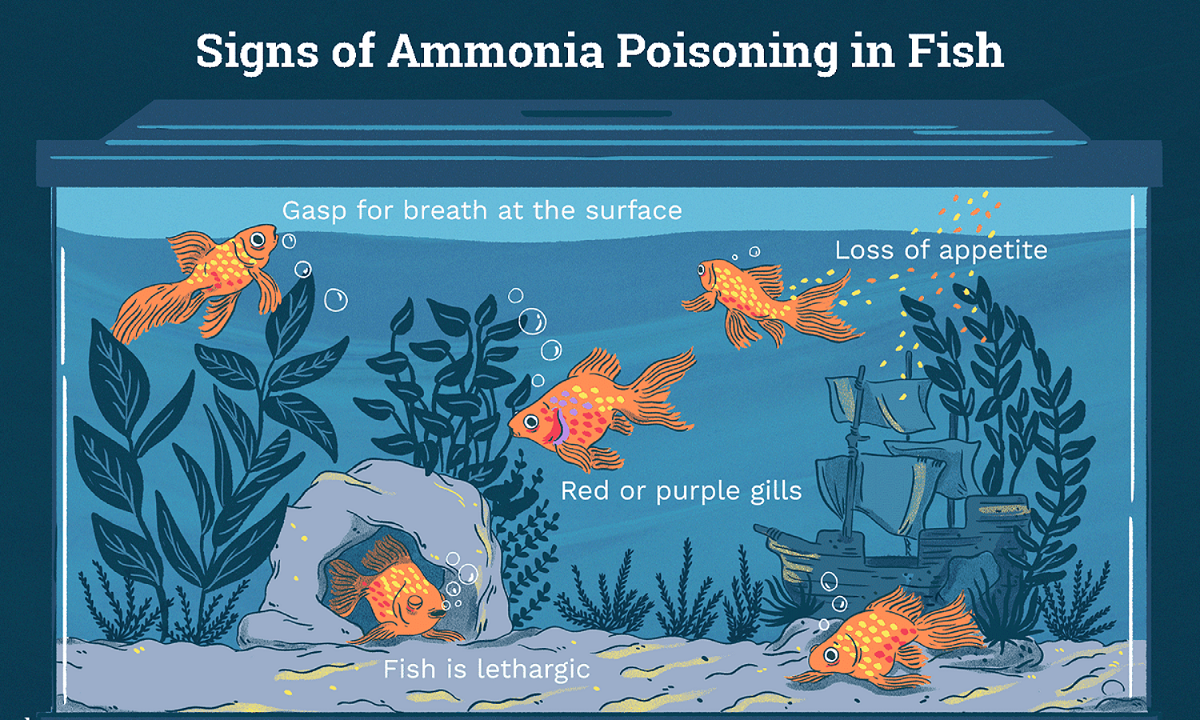 Ammonia toxicity in fish
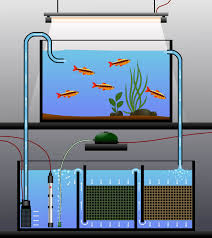 What Is an Aquarium? Water Pump and How Does It Work?
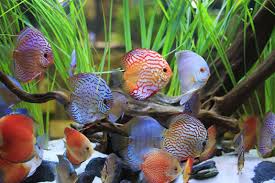 Freshwater Fish Compatibility Chart
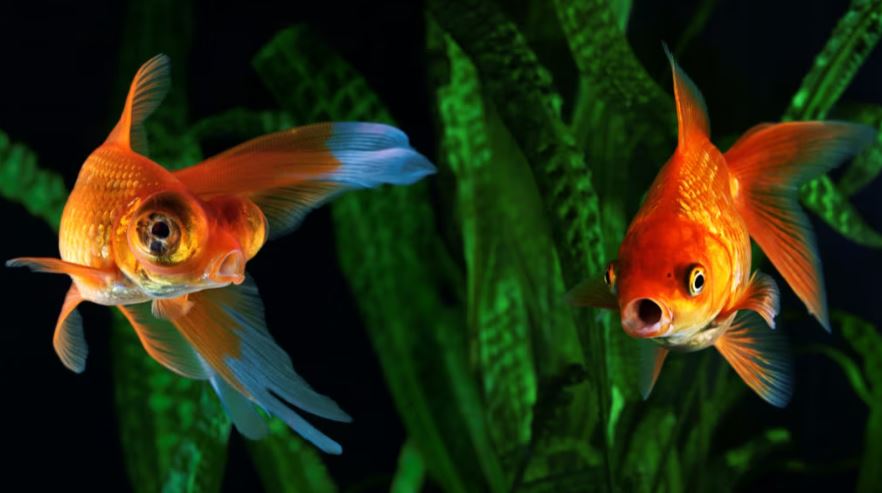 Popeye Disease In Fish
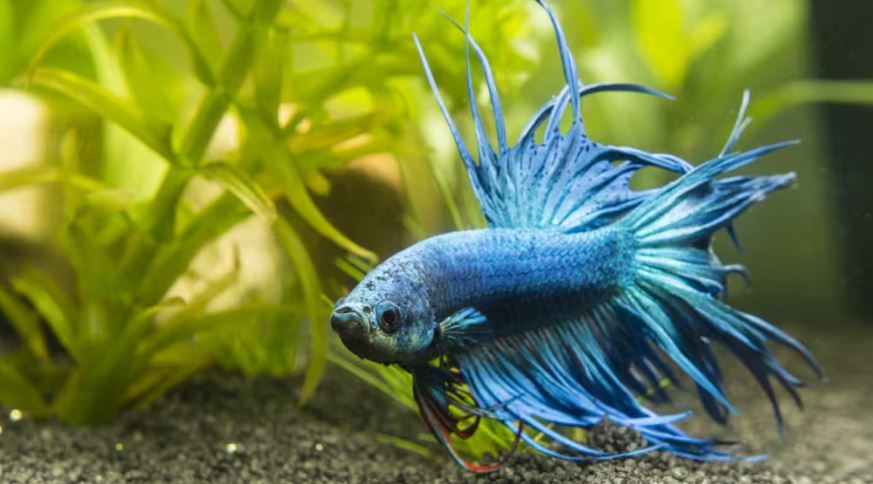 Aquarium Slime Disease
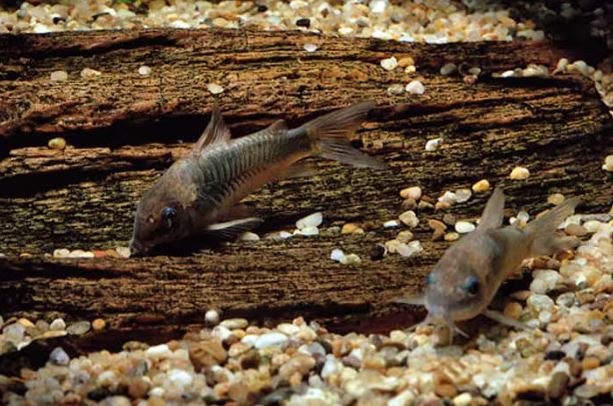 Red Blotch Disease In Corydoras Catfish


